Dogs with GI issues benefit from carefully selected diets that support digestion, nutrient absorption, and a balanced gut microbiome. This guide highlights five veterinary-backed options, including dry and wet formulas, designed to promote regular stools and reduce GI flare-ups. Each product is evaluated on digestibility, fiber content, and allergy considerations to help you choose the right path for your furry patient.
| Product | Brand | Type | Key Benefit |
|---|---|---|---|
| Hill’s Prescription Diet Gastrointestinal Biome Digestive/Fiber Care Dry | HILL’S PRESCRIPTION DIET | Dry | ActivBiome+ technology supports a healthy GI microbiome balance |
| Hill’s Prescription Diet GI Biome Digestive/Fiber Care Chicken & Vegetable Stew | HILL’S PRESCRIPTION DIET | Wet | Promotes regular stool and digestive health with ActivBiome+ |
| Blue Buffalo Natural Veterinary Diet GI Low Fat Dry | Blue Buffalo | Dry | Low-fat formulation to support sensitive stomachs |
| Pro Plan Veterinary Diets EN Gastroenteric Canine Dry | Pro Plan Veterinary Diets | Dry | Prebiotic fiber and targeted microbiome support |
| Forza10 Active Dry Intestinal Dog Food | Forza10 | Dry | Gluten- and grain-free with digestible ingredients for sensitive digestion |
Hill’s Prescription Diet GI Biome Dry Dog Food

Hill’s Prescription Diet Gastrointestinal Biome Digestive/Fiber Care Dry formula is developed by Hill’s nutritionists and veterinarians to support digestive health. It is clinically shown to help firm loose stool within 24 hours and reduce recurrence risk. The proprietary ActivBiome+ technology rapidly activates beneficial gut bacteria to balance the GI microbiome, aiding nutrient absorption and stool quality. Suitable for dogs needing a veterinary-guided GI plan, this dry kibble pairs readily with a veterinarian’s diet plan.
Hill’s GI Biome Wet Chicken & Vegetable Stew

Hill’s GI Biome Digestive/Fiber Care Chicken & Vegetable Stew Wet formula is designed to support digestive health with ActivBiome+ technology. This stew-style wet food aims to promote regular stools and balance the gut microbiome, complementing dry GI diets. It can be used as a primary diet or mixed with dry kibble under veterinary guidance, ensuring steady nutrient delivery and hydration for dogs with GI sensitivities.
Blue Buffalo GI Low Fat Dry

Blue Buffalo Natural Veterinary Diet GI Gastrointestinal Support Low Fat Dry is formulated for dogs with digestive sensitivities and requires a veterinary prescription. The low-fat profile helps reduce fat-induced digestion stress while supplying balanced nutrition. The real meat-based protein and prebiotic fibers support gut health and a healthy immune response, aligning with veterinary recommendations for sensitive stomachs.
Pro Plan EN Gastroenteric Canine Dry

Purina Pro Plan Veterinary Diets EN Gastroenteric Dry offers highly digestible nutrition with a select prebiotic fiber to support the GI microbiome and digestive health. Its antioxidant-rich composition supports the immune system while providing an optimal fiber level to promote intestinal motility. This dry formula is designed for dogs with digestive concerns requiring veterinary guidance and a precise nutrient profile.
Forza10 Active Dry Intestinal Dog Food
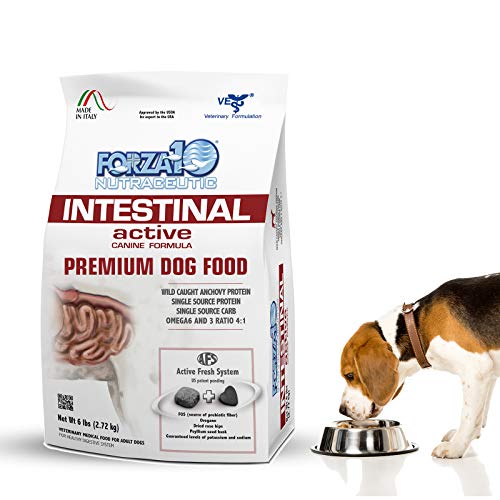
Forza10 Active Dry Intestinal Dog Food is a gluten- and grain-free formula designed to support sensitive digestion. It excludes antibiotics, wheat, gluten, soy, corn, and GMOs, focusing on easily digestible ingredients. The diet aims to reduce food intolerances and improve overall gut health, with a focus on nourishment for dogs with gastrointestinal sensitivities and inflammatory concerns.
Buying Guide: Key Purchase Considerations
When selecting a dog food for GI problems, consider the following:
- Diagnosis alignment: Some products are veterinary-prescribed, offering clinically formulated nutrition for specific GI conditions. Follow your veterinarian’s guidance on diet type and feeding plan.
- Digestibility: Look for high-quality, easily digestible proteins and carbohydrates, with ingredients that minimize irritation to the GI tract.
- Fiber strategy: A balanced mix of soluble and insoluble fiber can support stool regulation and microbiome health; review fiber levels and sources in each formula.
- Microbiome support: Some diets feature probiotic or prebiotic components (like ActivBiome+ or prebiotic fibers) to support gut bacteria balance and immune health.
- Wet vs. dry: Wet diets can improve palatability and hydration; dry diets may be convenient and help with dental health. Some dogs benefit from a combination, under veterinary supervision.
- Allergens and intolerances: Grain-free, gluten-free, or hypoallergenic options may be preferable for sensitive digestions or specific intolerances.
- Portion control: GI issues can require careful portioning to prevent overloading the gut; use veterinary guidelines to adjust portions as needed.
- Transition plan: When changing diets, introduce the new formula gradually over 7–14 days to minimize GI upset.
Comparative Considerations
Dry formulas often provide consistent fiber and caloric content, making them a mainstay for chronic GI management, while wet formulas can aid hydration and palatability, especially during recovery or appetite fluctuations. Veterinary prescription diets emphasize clinically tested nutrition and tailored fiber blends, whereas premium non-prescription lines may offer strong fiber balance and real ingredient quality. For dogs with fat sensitivities, low-fat options may reduce post-meal GI discomfort. If your dog has multiple health concerns (kidney function, allergies, or obesity), coordinate with your veterinarian to select a diet that integrates with any additional treatments or lifestyle adjustments.
Always consult a veterinarian before starting a new GI-focused diet, particularly for diagnosed conditions such as inflammatory bowel disease, pancreatitis, or chronic diarrhea. Regular re-evaluation helps ensure the food continues to meet evolving needs and supports ongoing GI health.