Choosing the right dog food for kidney health can be challenging. This guide highlights five veterinary-backed options designed to support renal function, manage phosphorus and protein intake, and maintain overall well-being. Each product is evaluated for ingredients, clinical intent, and practical use, helping American pet owners balance taste, digestibility, and canine health.
Summary of selected products:
| Product | Brand | Format | Main Benefit |
|---|---|---|---|
| Hill’s Prescription Diet k/d Kidney Care | HILL’S PRESCRIPTION DIET | Dry | Kidney function protection, ActivBiome+ Kidney Defense |
| Forza10 Kidney Care Dog Food (Wet Lamb) | Forza10 | Wet | Low protein/phosphorus, renal support |
| Blue Buffalo Natural Veterinary Diet KS Kidney Support | Blue Buffalo | Dry | Controlled protein, phosphorus, sodium |
| Pro Plan Veterinary Diets Purina NF Kidney Function | Pro Plan Veterinary Diets | Dry | High-calorie, restricted minerals |
| Forza10 Active Kidney Care Dry Food | Forza10 | Dry | Hydrolyzed protein, limited ingredients |
Hill’s Prescription Diet k/d Kidney Care

Hill’s Prescription Diet k/d Kidney Care with Chicken Dry Dog Food is a veterinary diet developed to support kidney function. Formulated with ActivBiome+ Kidney Defense, it aims to protect renal health by promoting a balanced gut microbiome. This dry kibble is clinically proven to help improve and lengthen quality of life for dogs with kidney concerns.
Key considerations include ingredient quality, vet supervision, and daily feeding guidelines that adjust with weight and activity. While many dogs accept the taste, owners should monitor appetite and stools during the transition from regular food to a kidney-focused diet. This option is well-supported by veterinary nutrition teams and can be a fit for dogs needing sustained renal support.
Forza10 Kidney Care Wet Dog Food (Lamb)

This kidney-focused wet dog food uses pasture-raised New Zealand lamb and emphasizes low protein and phosphorus levels. It’s designed for dogs with renal or cardiac concerns and is free from corn, wheat, soy, by-products, and artificial preservatives. The product highlights a natural blend of therapeutic plants and fruits to aid digestive comfort and urinary balance, with non-GMO assurances.
Bedrock considerations include palatability and how wet formulations fit into a dog’s overall hydration strategy. This option can complement dry diets or serve as a primary diet for picky eaters needing renal-friendly nutrition.
Blue Buffalo Natural Veterinary Diet KS Kidney Support Dry

Blue Buffalo’s Natural Veterinary Diet KS Kidney Support targets canine kidney care with real meat as the first ingredient and a formula designed for veterinary prescriptions. It emphasizes controlled phosphorus and sodium to support kidney function while maintaining palatability and overall nutrition. This option is widely considered a reliable prescription-grade dry food for dogs requiring renal support.
Pros include brand trust and a straightforward feeding approach; however, ensure you follow veterinary guidance on protein levels and monitor kidney-related symptoms as part of ongoing care. Transitioning gradually helps minimize digestive upset during dietary changes.
Pro Plan Veterinary Diets Purina NF Kidney Function Dry

Pro Plan Veterinary Diets NF Kidney Function is a dry formula designed to address the needs of dogs with kidney conditions through restricted minerals and energy-dense nutrition. It uses a carefully balanced protein source to support kidney health while helping dogs meet daily caloric requirements. This option is a common choice in veterinary nutrition, supported by clinical guidance and ongoing monitoring.
Considerations include the satiety and energy needs of the dog, as well as potential appetite changes during diet changes. Regular veterinary check-ins are advised to track kidney function markers and adjust portions accordingly.
Forza10 Active Kidney Care Dry Food
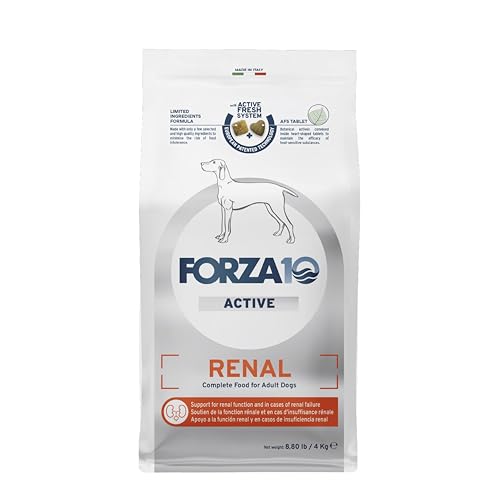
Forza10 Active Kidney Care offers a dry diet crafted to support renal function with hydrolyzed protein and omega-3 sources. The formulation emphasizes a limited-ingredient approach and excludes common allergens such as corn, wheat, and soy, aiming to ease digestion for dogs with sensitive stomachs. Botanicals like Lespedeza, Dandelion, and Cranberry contribute antioxidant support and urinary balance.
The active kidney care line is designed to integrate into a veterinarian-guided plan, particularly for dogs needing low-protein or renal-supportive strategies. Owners should monitor feeding tolerance and adjust portions to match energy expenditure and disease status.
Buying Guide: Key Considerations For Kidney-Support Dog Foods
- Diet type and veterinary guidance: Kidney-support diets are often prescription-based or vet-guided. Always coordinate with a veterinarian before changing a dog’s diet, especially for established kidney conditions.
- Protein, phosphorus, and sodium balance: Many renal diets restrict phosphorus and sodium while moderating protein. Check the product’s guaranteed analysis and confirm alignment with veterinary recommendations.
- Protein source and digestibility: Some dogs benefit from hydrolyzed proteins or limited-ingredient formulas to reduce renal workload and improve tolerability. Consider the dog’s taste preferences and any food sensitivities.
- Form and palatability: Dry vs. wet can affect hydration, appetite, and convenience. Some dogs prefer wet foods for variety or hydration, while others thrive on dry kibble combined with supplements as advised by a vet.
- Taste appeal and acceptance: A renal diet that a dog accepts consistently improves adherence. Gradual transitions and mixing strategies can help when switching foods.
- Long-term management: Kidney disease requires ongoing monitoring. Choose a diet that aligns with follow-up testing (creatinine, BUN, electrolytes) and is sustainable for long-term use.
- Quality and sourcing: Look for brands with transparent ingredient lists, veterinary backing, and reputable manufacturing standards. Ensure there are no controversial additives or fillers that could affect digestion.
- Cost and convenience: Prescription diets may have higher ongoing costs. Consider supply, delivery options, and whether a veterinarian recommends a particular brand as a long-term plan.
- Special considerations: Some dogs have urinary or heart-related concerns that influence diet choices. Your vet may suggest a combination of renal-support formulas and additional supplements to address specific needs.