Choosing the right fencing for a chicken coop or run requires considering yard space, climate, predator pressure, and how you plan to manage your flock. The following products represent a range of durable, affordable options—from lightweight roll fencing to heavy-duty hardware cloth and electric netting. This guide highlights features, uses, and setup considerations to help American chicken keepers protect and expand their free-range spaces.
| Brand | |
|---|---|
| Miuwauer | Hexagonal chicken wire mesh |
| Omlet | High poultry netting with door |
| Fabulas | Hexagonal chicken wire mesh |
| VEVOR | Electric poultry netting |
| Wirewonders | Hardware cloth |
Miuwauer Chicken Wire 13.7″ x 236″ Hexagonal Mesh
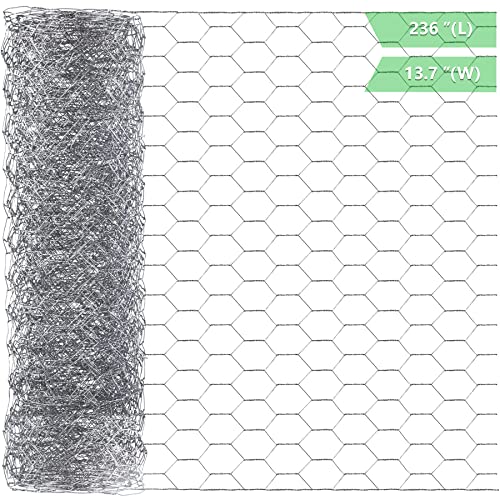
Miuwauer’s galvanized hexagonal mesh offers a long, wide sheet suitable for shaping chicken runs, garden barriers, and pet enclosures. Each mesh measures 13.7 inches wide by 236 inches long (0.35 m x 6 m) with hex openings around 0.8 by 1.38 inches. The material resists rust for extended outdoor use and supports cutting to fit irregular spaces. It’s well-suited for deterring common garden intruders while providing visibility for monitoring flocks.
Omlet Chicken Fencing | High Poultry Netting

Omlet’s movable fencing provides space flexibility for chicken runs and enclosures. The system emphasizes allowing more free range while keeping out flower beds and garden beds. The fencing can be placed to create varying shapes and sizes, with options to extend length as birds grow or seasons change. It balances openness with containment and is designed for easy reconfiguration without heavy tools.
Fabulas Chicken Wire Fencing Mesh, 16.9″ x 40 Feet

Fabulas offers a 16.9-inch by 40-foot roll of galvanized hexagonal chicken wire. The mesh is designed to be cut and joined to cover larger areas, with a 0.6 mm wire thickness and durable galvanization for rust resistance. The hex pattern helps deter poultry from slipping through while remaining flexible enough for DIY runs and garden protection against small animals.
Wirewonders Hardware Cloth 1inx48inx100ft

Wirewonders provides a robust 17-gauge, vinyl-coated hardware cloth with 1×1 inch openings. This option is particularly effective against predators and rodents while remaining see-through for birds and garden visibility. The vinyl coating enhances weather resistance, and the roll format supports custom lengths for coops, runs, or tree guards.
VEVOR Electric Poultry Netting Kit

VEVOR’s electric poultry netting kit combines expansive coverage with durable posts and stakes. The large 48″ height by 168 feet length netting includes a wire grid system designed to deliver a quick, safe temporary barrier for flocks and gardens. It’s suited for adaptable pasture management and kairos of predator deterrence, particularly when combined with a proper energizer and warning signs.
Buying Guide: Key Purchase Considerations
- Mesh size and openings: Smaller openings (about 0.5–1 inch) deter small chicks and predators, but may limit airflow and visibility. Larger openings provide better airflow but require closer monitoring for escape risk.
- Material and corrosion resistance: Galvanized steel and vinyl-coated options resist rust in humid or wet environments. For coastal areas or gardens with heavy rainfall, choose welded hardware cloth with a durable finish.
- Durability vs. flexibility: Hardware cloth and heavy-gauge meshes offer higher security but can be less forgiving for curved shapes. Woven chicken wire is easier to shape but offers less predator deterrence.
- Ease of installation: Rolls are cost-effective for large areas but require cutting and securing. Netting with posts simplifies setup for quick runs, while foldable designs can be rearranged seasonally.
- Maintenance needs: Look for coatings that resist dirt buildup and rust. Kits with repair components or spare posts make long-term maintenance simpler.
- Electric fencing considerations: Electric netting adds a layer of predator deterrence but requires an energizer, grounding, and adherence to local regulations. Always follow safety guidelines and keep warning signs visible.
- Budget alignment: Compare upfront costs with long-term durability. A slightly pricier but durable solution may reduce replacement frequency and overall expenses.
Choosing the right fencing involves balancing flock safety, garden protection, and cost. For flexible layouts and easy reconfiguration, netting systems with adjustable lengths offer rapid setup. For long-term durability and small-predator protection, hardware cloth with appropriate mesh size excels. Electric netting is a strong option for larger outdoor spaces and variable terrain, provided safety and maintenance considerations are met. The ideal choice typically combines appropriate fencing with secure enclosure doors and predator-proof corners.