Varroa destructor mites pose a persistent threat to honey bee colonies, affecting health, honey production, and colony survival. Selecting an effective mite treatment requires considering mode of action, timing, bee safety, and your beekeeping setup. Below is a guide to five widely used, research-supported treatments, along with a concise buying guide to help beekeepers compare options and choose the right fit for their hives.
Summary of chosen products
| Product | Brand | Typical Use | Notes |
|---|---|---|---|
| Apivar Strips Varroa Mite Treatment | Foxhound Bee Company | Year-round, slow-release strips | Widely used; high efficacy with amitraz; need to follow drawdown and retreatment guidelines |
| Apiguard | VITA BEEHEALTH | Thymol-based treatment; timing when supers are off | Natural option; depends on thymol volatility and hive conditions |
| Varroxsan Oxalic Acid Strips | VITA BEEHEALTH | Seasonal and brood-safe oxalic acid treatment | Low residue; effective in cool conditions; length of control varies |
| Varroa Mite Treatment (Formic Pro) | Mann Lake | Liquid/strip format; effective across brood cycles | No honey contamination risk when used as directed; extended shelf life |
| Oxalic Acid Vaporizer | BEEXTM | Vaporized oxalic acid for mite fall | Device-based application; requires careful operation and safety measures |
Apivar Strips Varroa Mite Treatment

Apivar Strips use a slow-release amitraz formulation designed for continuous varroa suppression. This treatment can be used up to two times per year and does not require strict airflow, temperature, or feeding conditions to be effective, which makes it a flexible option for many beekeepers. When applied correctly, Apivar can reduce mite levels significantly, typically in the mid-to-high ninety-percent range. Practical considerations include adherence to withdrawal times and ensuring the colony remains active during treatment windows.
Apiguard – Natural Varroa Mite Treatment

Apiguard delivers a plant-based thymol formulation designed to disrupt mite populations through vapor exposure. It is positioned as a natural option with broad acceptance among organic and conventional beekeepers. Treatment timing is important; placing trays when supers are off helps maximize efficacy without stressing the colony. A key feature is the controlled-release gel technology that provides a steady thymol vapor over the treatment period, promoting consistent results while minimizing bee disruption.
Varroxsan Oxalic Acid Strips
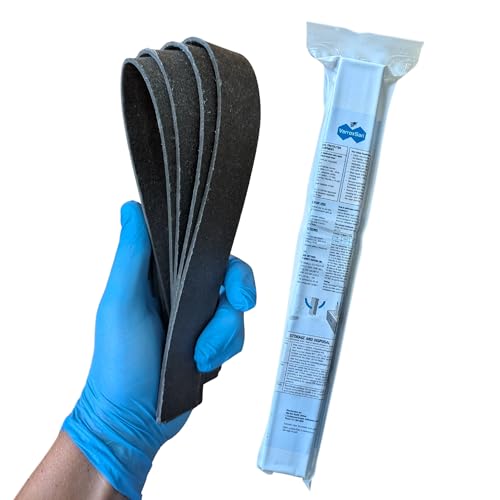
Oxalic acid strips provide a long-standing, brood-safe option for mite control. The product is offered in multiple package sizes, allowing beekeepers to scale usage to colony numbers. The strips deliver oxalic acid consistently over several weeks, minimizing reapplication needs. The formula emphasizes bee safety with a porous carrier that facilitates gradual release and reduces abrupt hive stress. It is especially useful when brood is limited or absent, increasing the likelihood of mite contact with the treatment.
Mann Lake Formic Pro Varroa Mite Treatment

Formic Pro combines an extended shelf life with a formic acid formula that targets Varroa mites through contact with the brood and adult bees. Its natural, resin-like matrix supports slow release, allowing the treatment to work over time without requiring frequent reapplication. This product is designed to be safe for honey bees when used according to directions and is compatible with various hive configurations. It can be effective throughout brood cycles, offering a robust option for ongoing Varroa management.
BEEXTM Oxalic Acid Vaporizer

This device-based option uses controlled heating to vaporize oxalic acid for mite suppression. The BEEXTM vaporizer emphasizes durable construction with copper components for efficient heat transfer. Features include smart temperature control and a design that aims to minimize residue while maximizing mite fall. It is essential to follow safety guidelines during operation and verify compatibility with your hive setup, especially regarding brood presence and supers.
Mann Lake Apiguard – 50 Gram Trays

Mann Lake Apiguard provides a ready-to-install thymol-based treatment option. Optimized for use across a range of hive conditions, it supports natural mite reduction without introducing synthetic residues. The product line includes trays designed for post-harvest protection and broad hive compatibility, making it a practical addition to many beekeeping practices. As with other thymol-based treatments, careful timing relative to honey flows and brood cycles improves outcomes.
Buying Guide: Key Purchase Considerations
- Mode of action and resistance risk: Rotating between different classes (e.g., amitraz, thymol, oxalic acid, formic acid) can help mitigate resistance and maintain effectiveness across seasons.
- Colony status and brood presence: Some treatments target capped brood differently. For example, oxalic acid is particularly effective when brood is limited, while formic and thymol-based products interact with brood differently and may require specific timing relative to honey supers.
- Safety and beekeeper handling: Chemical-based products require adherence to label directions, withdrawal times, and protective equipment. Vaporizer devices demand careful ventilation and safety practices.
- Environmental and honey quality considerations: Choose products with minimal honey contamination risk and respect any organic or natural beekeeping goals when applicable.
- Colony size and management style: Package or nucleus colonies may respond differently to certain treatments. Strips and gels often scale to colony size; large operations may favor ready-to-use formats with easy retreatment planning.
- Seasonal planning: Some products are best applied during specific windows when colonies are active but brood and nectar flows permit effective mite control without stressing the colony.
Comparative Notes
- Apivar Strips provide long-acting, year-round suppression through amitraz, with strong efficacy but requiring precise application according to label guidance.
- Apiguard offers a natural thymol-based approach, favored by organic beekeepers, but results can depend on hive temperature, ventilation, and timing with honey supers.
- Oxalic acid strips or vaporizer methods offer brood-safe, residue-minimal options and can be effective during broodless periods or cooler conditions, though proper dosing and handling are essential.
- Formic Pro delivers broad activity across brood cycles, with potential benefits when brood is present, but care must be taken to avoid bee stress and honey contamination risks during active nectar flows.
- Combination strategies, including testing mite loads and rotating products, can optimize control and reduce the likelihood of resistance.
This overview presents a snapshot of well-regarded mite treatments used by American beekeepers. When selecting a product, consult with local extension services or experienced beekeepers to tailor choices to your climate, hive type, and management goals. Always follow product labels and safety guidelines to protect bees, apiaries, and human handlers.