Dogs with skin allergies benefit from carefully chosen proteins and gut-friendly ingredients. This guide highlights five protein-focused dog foods and supplements designed to support sensitive skin, reduce itchiness, and promote a healthier coat. Each option leverages hydrolyzed or single-source proteins, omega fatty acids, and digestive support to help manage common canine skin reactions.
| Product | Brand | Key Feature |
|---|---|---|
| Diamond Care Grain-Free Formulation Adult Dry Dog Food | DIAMOND CARE | Hydrolyzed salmon protein for sensitive skin |
| Zesty Paws Allergy Relief Chews | Zesty Paws | Immune support and itch relief |
| Purina Pro Plan Sensitive Skin and Stomach | Purina Pro Plan | Salmon and rice with probiotics |
| Purina ONE Natural Sensitive Stomach + Skin & Coat | Purina ONE | Real salmon and omega fatty acids |
| SquarePet Hydrolyzed Protein Skin & Digestive Support | SquarePet | Veterinarian-formulated hydrolyzed protein |
When selecting a protein-focused option for a dog with skin allergies, look for single-source or hydrolyzed protein, added omega-3 fatty acids, probiotics for gut health, and limited-ingredient formulations. The following sections summarize each product’s approach, supported ingredients, and what makes it suitable for dogs facing itchy skin or allergic reactions.
Diamond Care Grain-Free Sensitive Skin Formula

DIAMOND CARE’s grain-free dry dog food uses hydrolyzed salmon as a primary protein source, which can be gentler on dogs with sensitive stomachs and skin. The formula highlights omega fatty acids for skin health, along with antioxidants like Vitamin E to support the immune system. The product emphasizes digestibility and includes probiotics that survive the GI tract to aid nutrient absorption. This option is well-suited for dogs requiring a single-protein or hydrolyzed-protein diet, with an emphasis on skin and coat wellness.
Zesty Paws Allergy Relief Chews

These chews are designed to support immune function and reduce itchy discomfort. They feature EpiCor Pets (a whole food yeast fermentate) to help strengthen immune responses, along with ingredients like Colostrum and Astragalus Root to support skin comfort. The formula aims to address the itch-scratch cycle from within, offering a treat-like option for daily management of allergic symptoms. Ideal for dogs that benefit from immune-supportive nutrition and targeted skin relief.
Forza10 Dermo Allergy Dry Dog Food
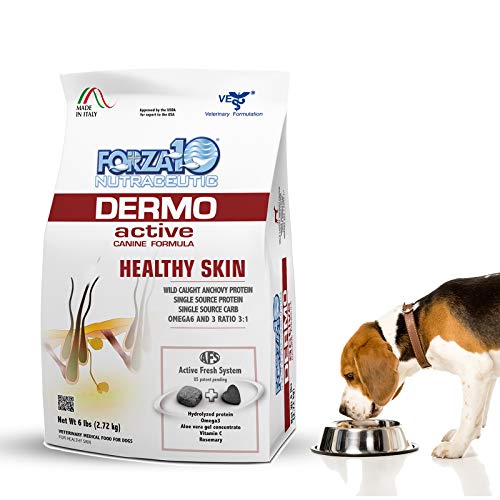
Forza10 Dermo Allergy offers a fish-based formula designed to support dogs with skin allergies and minor dermatological issues. It emphasizes hydrolyzed fish protein to reduce immune reactivity and support intestinal health. The diet is rich in omega-3 fatty acids and fiber, with no GMOs, gluten, or artificial colors or flavors. This option targets both skin health and digestive comfort, making it a potential fit for dogs with concurrent GI sensitivities.
Purina Pro Plan Sensitive Skin and Stomach

This dry formula combines real salmon with rice for a palatable, easily digestible meal. It’s fortified with guaranteed live probiotics to support digestive and immune health, which can influence skin condition indirectly by stabilizing gut microbiota. The high-protein profile supports muscle maintenance while providing nutrients that support a healthy coat and skin through balanced nutrition and digestion-friendly ingredients.
Purina ONE Natural Sensitive Stomach + Skin & Coat
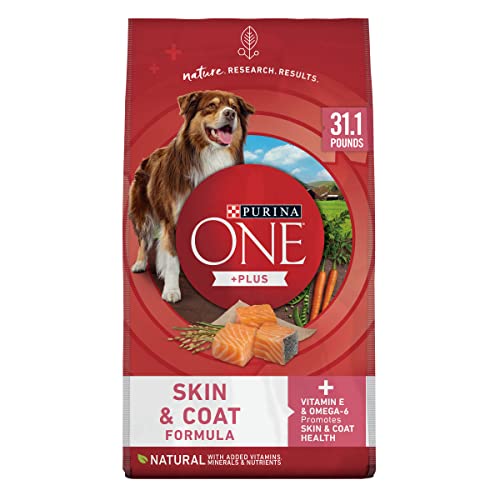
Purina ONE’s Sensitive Skin & Coat formula uses real salmon as the #1 ingredient to help support healthy skin and a radiant coat. The SmartBlend of high-quality ingredients, plus vitamin E and omega-6 fatty acids, works to nourish the skin from the inside out. Antioxidant sources and natural glucosamine support joint health, offering a broader wellness approach for dogs dealing with skin-related allergies and sensitivity.
Dog Allergy Relief Chews — GoodGrowlies

These soft chews offer anti-itch relief with a focus on immune support, aiming to reduce seasonal and environmental allergic responses. They are designed to be palatable and easy to administer and come with a 90-day guarantee for customer satisfaction. The formula emphasizes a natural approach to itch relief and skin health without relying on heavy fillers, making it a practical supplement option alongside a balanced diet.
Buying Guide: Key Purchase Considerations
Choosing the right option for a dog with skin allergies involves evaluating several factors. Consider the following perspectives to balance efficacy, palatability, and long-term suitability:
- Protein source and digestibility: For dogs with sensitivities, hydrolyzed proteins or single-protein formulations can minimize immune reactions. Look for easily digestible ingredients and limited-ingredient options if intolerances are suspected.
- Omega 3 and Omega 6 fatty acids: These fatty acids support skin barrier function and coat health. Check the product’s fat profile and guarantees for EPA and DHA content.
- Probiotics and gut health: A healthy gut can influence immune responses and skin condition. Probiotics, prebiotics, and fermentates may help support digestion and nutrient absorption.
- Novel proteins and rotation: Some dogs respond to alternative proteins (e.g., fish, lamb). Rotating proteins under veterinary guidance can help identify triggers and improve tolerance over time.
- Palatability and administration: For picky eaters, flavors (salmon, lamb, chicken) and texture (kibble, chews) matter. Diary notes of acceptance and stool quality can guide ongoing choices.
- Combination approach: A diet paired with targeted chews or supplements may provide compounded benefits. Ensure products align in goals (skin health, digestion, immune support) and avoid duplicative ingredients.
- Allergen testing and veterinary input: If symptoms persist, consult a veterinarian for an elimination trial or diagnostic testing to identify triggers and create a tailored plan.
In selecting a regimen, pet owners should prioritize products with transparent ingredient lists, clear protein sources, and reputable probiotic or fatty-acid guarantees. Monitoring your dog’s skin condition, coat quality, scratching frequency, and stool during the initial weeks helps determine the best long-term strategy.