Discover a curated guide to vibrating dog collars designed for humane, effective training without shocks or prongs. This overview focuses on models with adjustable vibration levels, beeps, long-range remotes, and waterproof designs—ideal for homes with multiple dogs, yards, or outdoor play. Each option emphasizes safety, comfort, and reliable performance for small, medium, and large breeds.
| Product | Brand | Key Features |
|---|---|---|
| PaiPaitek No Shock Dog Training Collar | PaiPaitek | 3300ft range, 9 vibration levels, 9 beeps, waterproof, multi-dog control |
| Lightest No Shock Dog Training Collar | LOSULF | Ultra-small receiver, 2000ft range, 1-16 vibration levels, dual-channel |
| No Shock Dog Training Collar With Remote | SODOG | 1-16 vibration levels, 650ft range, beep, waterproof, no prongs |
| DOGLinsen 3-Dog Training Collar | DOGLinsen | 3300ft range, 3 channels, 3 modes, waterproof |
| Jugbow Dog Training Collar | Jugbow | 4200ft range, 4 modes including vibration and beep, dual-channel |
PaiPaitek No Shock Dog Training Collar With Remote

PaiPaitek emphasizes humane training with no shocks or prongs. The collar uses ultrasonic signals, vibration, and tones to gain a dog’s attention, providing a pain-free correction method. It offers 9 vibration levels and 9 beep tones, designed to work across a range of behaviors from barking to recall. The 3300-foot range supports both indoor and outdoor training, with waterproof construction for use in rain or puddles. A three-dog remote feature helps households manage multiple dogs without reprogramming.
Lightest No Shock Dog Training Collar

The LOSULF collar is engineered for small and medium dogs, weighing as little as a few pounds. It weighs about an ounce with a compact receiver and a slim profile to reduce neck burden. Features include 1-16 vibration levels, audible beep, and a dual-channel remote with a 2000-foot range. The design emphasizes a comfortable neck fit and skin-friendly materials, suitable for sensitive pets. The built-in flashlight aids visibility during evening training sessions.
No Shock Dog Training Collar with Remote (SODOG)
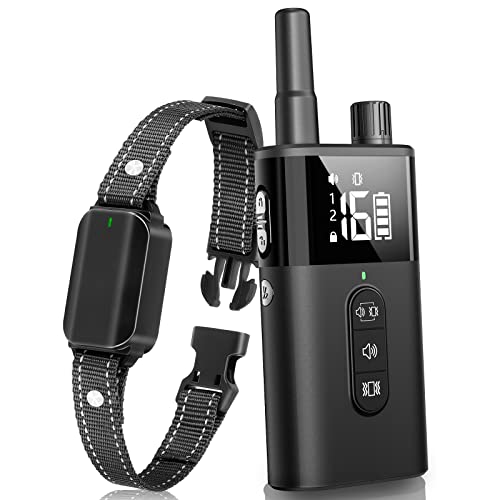
SODOG offers a no-shock training solution with a remote-controlled, multi-mode system. It delivers strong yet safe vibration (1-16 levels) and an optional beep cue to reinforce commands. The collar is fully waterproof and designed to be user-friendly for training at moderate distances, up to 650 feet. Remote control supports straightforward operation, making it easy to synchronize actions for recall or quiet correction. The collar is suitable for dogs ranging from 10 to 120 pounds with adjustable settings.
DOGLinsen 3-Dog Training Collar
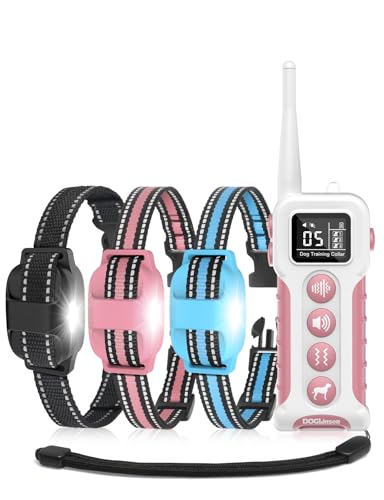
DOGLinsen provides a three-dog training solution with a shared remote and separate channels. The system emphasizes humane, no-shock training with vibration and beep options across three individual collars. A long-range signal of up to 3300 feet supports outdoor training away from the home, while the multi-dog setup enables simultaneous or staggered training across three pets. The collars are waterproof and designed to accommodate a range of dog sizes from puppies to larger dogs.
Jugbow Dog Shock Collar (No Shock Mode)

Jugbow’s model emphasizes a longer range and multiple training modes while offering a dual-channel remote. Although primarily marketed with shock capabilities, its non-shock training options—beep and vibration—provide humane alternatives for recall and behavior correction. A 4200-foot range supports expansive outdoor use, such as large backyards or parks. The collar is adjustable to fit various dog sizes and features a soft strap for comfortable wear during longer training sessions.
Smallest No Shock Dog Training Collar (FASHILEAD)

FASHILEAD targets smaller breeds with a compact, lightweight design. The receiver weighs under an ounce and measures only about 1.57 x 0.86 x 0.78 inches, reducing neck strain on tiny dogs. It delivers 1-16 levels of vibration plus a beep, with a one-press switch for latency-free training. The remote supports a dual-channel system with a 2000-foot range, enabling simultaneous training for two dogs in nearby spaces. Prong-free construction prioritizes gentle contact and comfort.
Buying Guide: Key Purchase Considerations
Choosing the right vibrating dog collar involves balancing safety, effectiveness, and the dog’s comfort. Here are essential factors to consider when selecting a model:
- Safety and no-shock design: Prioritize collars that avoid static stimulation and prongs. Look for evidenced humane modes such as beep, vibration, and ultrasonic signals, with clear intensity levels.
- Range and stability: Consider your training environment. Longer ranges (up to 3300–4200 feet) suit large yards, farms, and off-leash areas, while shorter ranges are sufficient for indoor or urban use.
- Modes and customization: Multi-mode collars with adjustable vibration levels (1–9, 1–16) and beeps allow tailored training for different dog personalities and sizes. Some models offer ultrasonic options for additional versatility.
- Multi-dog capability: If you own several dogs, a multi-channel remote or 2–3 collar compatibility reduces setup time and preserves individualized training memories.
- Dog size compatibility: Verify neck size ranges and weight limits. Small dogs typically benefit from ultra-small, lightweight receivers, while larger dogs may require stronger vibration settings and sturdier collars.
- Waterproofing and durability: Weatherproof and waterproof designs support training in rain, mud, and near water. Consider IP ratings and build quality for rugged use.
- Battery life and charging: Long-lasting rechargeable batteries minimize downtime. Check charging time and battery indicators for ongoing use.
- Warranty and safety features: Look for product warranties, safety shutoffs, and parental control features like security locks to prevent accidental changes during training.
Across these options, the central advantage is humane communication: the trainer communicates intent through sound and vibration, reducing stress while improving obedience. For multi-dog households, models with multi-channel remotes and clearly separated training profiles help maintain consistent routines without reprogramming.
Note: Always introduce any new training tool gradually, monitoring your dog’s response. If a dog shows signs of distress or fear, stop using the collar and consult a professional trainer for guidance on positive reinforcement techniques.